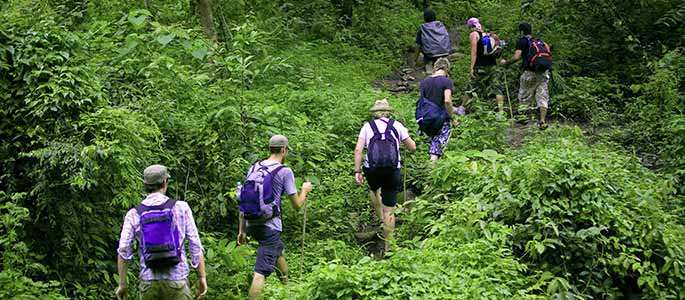
Mauna Kea summit, at 13,803 feet above sea level, is the highest point in Hawaii and one of the world’s great places to watch a sunset and then the stars. This mauna kea summit guide covers the visitor station, the observatories, the sacred lake, and the safety rules that matter most.
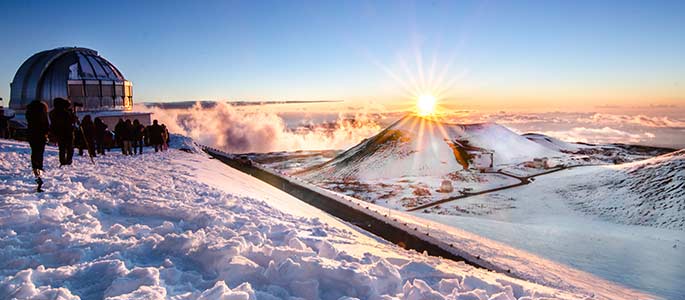
Mauna Kea is a dormant volcano on the Island of Hawaii, and its summit sits above about 40% of Earth’s atmosphere. That thin, dry air is why astronomers built some of the world’s most powerful telescopes here.
Key Points
- Mauna Kea summit reaches 13,803 feet, making it Hawaii’s highest point and a premier sunset and stargazing site.
- Stop at the Mauna Kea Visitor Information Station at 9,200 feet for at least 30 minutes to acclimatize.
- Only 4WD vehicles may drive above the visitor station; the summit road is unpaved, steep, and daylight-only.
- Children under 13, pregnant visitors, and anyone who has scuba-dived within 24 hours should stay below the visitor station.
- There is no entrance fee for Mauna Kea, but road and weather closures can happen, so check conditions on the day.
- Evening stargazing programs happen at the visitor station, which is where most visitors should watch the night sky.
By Great Hawaii Tour — your guide to Hawaii tours and island adventures.
Mauna Kea Visitor Information Station: Your Gateway to the Stars
Before you head to the summit, stop at the Mauna Kea Visitor Information Station (VIS) at 9,200 feet. It is the place to acclimatize, check current road and weather conditions, and learn about the mountain’s cultural and scientific story.
The station is open daily from 9:00 a.m. to 9:00 p.m., and it offers exhibits, restrooms, and a gift shop. On clear evenings, the area around the station hosts public stargazing programs.
Great Hawaii Tour tip: arrive at the visitor station in the early afternoon, take the full acclimatization stop, and dress warmly. Great Hawaii Tour recommends treating the station stop as part of the trip, not a delay.
Mauna Kea Observatories: A Hub for Astronomical Discoveries
Thirteen observatories crown the summit of Mauna Kea, operated by institutions from several countries. Their giant domes stand on bare volcanic cinder, high above the clouds.
Public access inside the observatories is limited, so most visitors admire the domes from outside. The real show is the sunset, followed by a sky full of stars, planets, and the Milky Way.
Lake Waiau: A Sacred High-Altitude Gem
Lake Waiau sits near the summit of Mauna Kea and is one of the highest lakes in the United States. It is a sacred place in Hawaiian culture, and visitors should treat it with respect.
Keep to the area around the lake, leave any offerings undisturbed, and take only photographs. The still water and lava-field backdrop make it a quiet, memorable stop.
Sunset and Stargazing: A Celestial Spectacle
As the sun drops below the clouds, the sky over Mauna Kea summit turns orange and pink. After sunset, visitors must leave the summit area, since access runs only from 30 minutes before sunrise to 30 minutes after sunset.
Most evening stargazing happens back down at the visitor station, where telescopes and guides reveal constellations and planets. Bring warm layers, closed shoes, and patience for the cold, thin air.
How to Reach, Facilities, and Safety
By Road
Take the Daniel K. Inouye Highway (Saddle Road, Highway 200) and turn onto Maunakea Access Road at mile marker 28. Any car can reach the visitor station on the paved road, about six miles from the highway.
Above the visitor station, only 4WD vehicles are allowed, and drivers should use 4WD low range. Many rental agreements forbid the summit road, so check yours before driving up.
Best Time to Visit
Clear, dry evenings give the best sunset and stargazing at Mauna Kea summit. Winter can bring snow and road closures, so check the day’s advisory before you go.
Facilities
The visitor station has restrooms, exhibits, and a shop, but there are no restrooms or food at the summit itself. Bring water, snacks, and warm clothing for the cold summit air.
Accessibility and Health
The summit is not suitable for everyone: altitude sickness is common, and oxygen at the top is roughly 40% lower than at sea level. Children under 13, pregnant visitors, and people with heart or breathing problems should stay at or below the visitor station.
Location Map
Open Mauna Kea Summit in Google Maps
Frequently Asked Questions
How high is Mauna Kea summit?
Mauna Kea summit stands 13,803 feet above sea level, making it the highest point in Hawaii. Measured from its base on the ocean floor, Mauna Kea is taller than Mount Everest.
Do you need a 4WD vehicle to drive to Mauna Kea summit?
Yes, only 4WD vehicles may drive above the Mauna Kea Visitor Information Station. The summit road is unpaved and steep, and two-wheel-drive vehicles are not permitted past the station.
What are the Mauna Kea Visitor Information Station hours?
The Mauna Kea Visitor Information Station is open daily from 9:00 a.m. to 9:00 p.m. Check conditions on the day, since weather or road closures can change access.
Can children visit Mauna Kea summit?
Children under 13 should not go above the Mauna Kea Visitor Information Station because of the altitude. Families with young children can still enjoy the exhibits and evening stargazing at the station.
Is there an entrance fee for Mauna Kea?
No, there is no entrance fee, parking fee, or reservation needed to visit Mauna Kea. Guided tours cost extra, and they handle the 4WD driving, warm clothing, and telescopes.
Where is the best stargazing at Mauna Kea?
Most visitors should stargaze at the Mauna Kea Visitor Information Station, where public programs run on clear evenings. The summit itself closes to visitors 30 minutes after sunset.
Conclusion
A Mauna Kea summit visit blends science, Hawaiian culture, and one of the finest night skies on Earth. Plan around the altitude, respect the sacred places, and let the visitor station set the pace for your day.
Keep exploring the Big Island with related guides: the Island of Hawaii, Kilauea, and Sulphur Banks guides, plus the Grand Circle Island Tour for a guided day around Oahu.
By Great Hawaii Tour — plan your Hawaii adventure with local guides you can trust.