South Point Complex Hawaii sits at Ka Lae, the southern tip of the Island of Hawaii, and it is the southernmost point in the United States.
South Point Complex is a National Historic Landmark where ancient Hawaiian fishermen launched canoes, carved salt pans into lava rock, and built a fishing shrine that still stands today.
Great Hawaii Tour brings you this guide to Ka Lae, one of the oldest settlement sites in Hawaii and one of the most remote, windswept places you can visit on the Big Island.
Key Points
- South Point Complex Hawaii is a National Historic Landmark at Ka Lae, the southernmost point of the Big Island and the 50 United States.
- Kalalea Heiau, an ancient fishing shrine, stands on a windy plateau above high ocean cliffs.
- A 1956 Bishop Museum dig at Pu’u Ali’i uncovered a house, a hearth, and more than 14,000 artifacts.
- Papakolea Green Sand Beach lies 2.5 miles east of the heiau and is one of only four green sand beaches in the world.
- South Point Complex Hawaii is free to visit, with no entrance fee and no visitor center — come in daylight and bring water.
- Swimming is not advised at South Point Complex Hawaii because of powerful currents and deep water.
What Is South Point Complex Hawaii?
South Point Complex Hawaii is a group of ancient Hawaiian sites spread across a flat, grassy plateau at Ka Lae.
Ka Lae means “the point” in Hawaiian, and the complex covers 710 acres at the very bottom of the Big Island.
The site was designated a National Historic Landmark on December 29, 1962, and added to the National Register of Historic Places in 1966.
Archaeologists believe South Point Complex Hawaii was one of the earliest settlements in the Hawaiian Islands and the landing place of Hawaii’s first inhabitants.
Great Hawaii Tour recommends South Point Complex Hawaii for travellers who want real history and raw scenery instead of another crowded viewpoint.
Kalalea Heiau and the Ancient Fishing Sites
The best-known site at South Point Complex Hawaii is Kalalea Heiau, an ancient fishing shrine called a ko’a.
Kalalea Heiau honours Ku’ula, the god of fishing, and its stone walls form a nearly perfect square about 42 feet by 38 feet.
The walls stand four feet high at the north end and rise to six feet at the south end.
Just outside the west wall sits a 20-by-20-foot stone platform where fish were prepared for meals and offerings.
Local fishermen still visit Kalalea Heiau to leave offerings and ask for a good catch.
West of the heiau, look for canoe mooring holes drilled through the rock ledges.
Ancient fishermen passed strong ropes through these holes and tied them to their canoes, so the current could carry them into deep water without sweeping them out to sea.
Shallow rectangular salt pans are carved into the lava rock all around the complex.
Ancient Hawaiians filled the pans with seawater, let the water evaporate, and used the salt to preserve fish.
Sacred standing stones also stand near the heiau, including Hina, Ku’ulakai, Makaunulau, Ai’ai, and Wahine hele.
Pu’u Ali’i: One of Hawaii’s Oldest Settlements
In 1956, an archaeological team from the Bishop Museum uncovered one of the oldest known ancient Hawaiian homes at the Pu’u Ali’i sand dune.
The dig found the remains of a house and a fire hearth, plus more than 14,000 artifacts.
The finds included coral and stone abraders used to make fish hooks, and more than 60 different types of large fish hooks.
The evidence shows South Point Complex Hawaii was used for fishing and settlement for more than a thousand years.
That long record is why the complex holds National Historic Landmark status today.
Standing at the Southernmost Point of the US
South Point Complex Hawaii marks the southernmost point of both the Hawaiian Islands and the United States.
The plateau sits on high cliffs above deep ocean water, with nothing between you and Antarctica but open Pacific.
On a clear day, the view runs for miles along the Ka’u coast, and the wind rarely lets up.
Wind turbines turn on the ridge above the point, a modern contrast to the ancient stones below.
There is no official marker or sign at the exact southernmost spot, so walk to the cliff edge and take in the view.
Stay back from the edge and keep a firm grip on hats, phones, and cameras in the wind.
Papakolea Green Sand Beach, 2.5 Miles Away
Papakolea Beach lies 2.5 miles east of Kalalea Heiau and is one of only four green sand beaches in the world.
The sand gets its green colour from olivine crystals, also known as peridot, eroding out of the 49,000-year-old Pu’u Mahana cinder cone.
You can reach the beach by vehicle or by hiking along the shoreline from South Point Complex Hawaii.
The hike takes about 45 minutes each way across rough, hot ground with no shade.
Pairing the two sites makes one of the best half-day trips on the Big Island.
Cliff Jumping at South Point Complex Hawaii
Locals jump from the cliffs at South Point Complex Hawaii, dropping about 40 feet into the ocean below.
The jump is dangerous, and signs at the site prohibit it, so watch from the rocks instead.
The water is deep and the currents are powerful, which is why swimming is not advised anywhere at South Point Complex Hawaii.
Fishermen work these waters for ahi, mahimahi, and marlin, drawn by the same deep currents that make swimming unsafe.
Great Hawaii Tour tip: enjoy the cliff-jumping show from a safe distance, and never follow jumpers into the water.
How to Reach South Point Complex Hawaii, Hours, Fees and Safety
Getting There
South Point Complex Hawaii sits at the end of South Point Road, 12 miles south of Hawaii Route 11 (Mamalahoa Highway).
Turn onto South Point Road near mile marker 69.5, between Naalehu and the Hawaii Volcanoes National Park turnoff.
The road is paved but narrow, with single-lane sections, so drive slowly and pull over for oncoming cars.
Naalehu, the nearest town, lies 16 miles north of the point, and it is the last stop for food and fuel.
The drive takes about 2 to 2.5 hours from Kailua-Kona and about 1 hour from Hawaii Volcanoes National Park.
Hours and Fees
South Point Complex Hawaii has no entrance fee and no set opening hours.
Visit in daylight for safety and visibility, and allow 15 to 60 minutes at the point itself.
There is no visitor center, and facilities are minimal, so plan as if you are visiting a remote natural site.
Best Time to Visit
Morning is the best time to visit South Point Complex Hawaii, when the light is clear and the wind is usually lighter.
The dry season from May to September brings the most stable weather for the drive and the walk to the cliffs.
Ka’u District is remote, so check current road and area conditions before you go, especially after storms.
What to Bring
Bring water, snacks, sunscreen, and sturdy closed shoes for the rocky, uneven ground.
Wear a wind-resistant layer and secure hats and loose items against the strong wind.
There are no shops or restrooms at the point, so carry everything you need from Naalehu.
Nearby Attractions
Nearby stops include Punalu’u Black Sand Beach, the town of Naalehu, and the Kahuku Unit of Hawaii Volcanoes National Park.
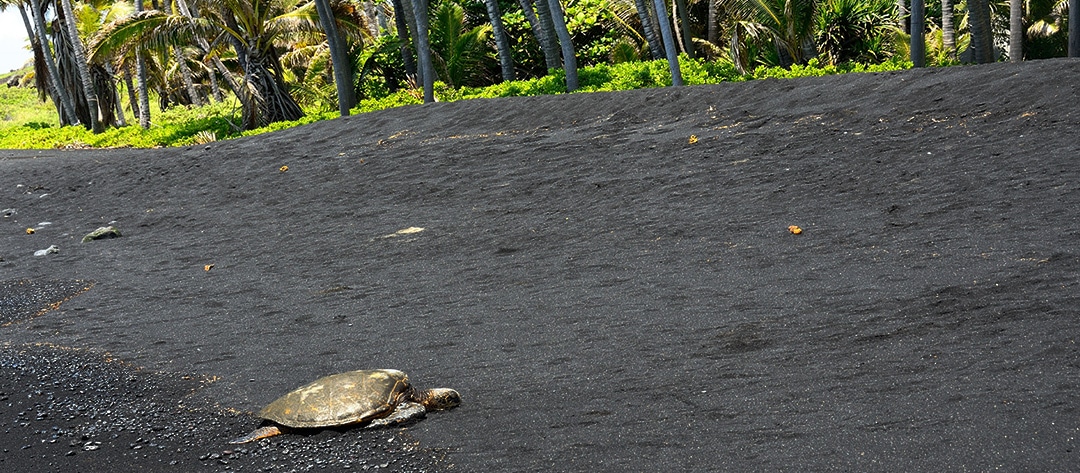
Most visitors pair South Point Complex Hawaii with Papakolea Green Sand Beach and Punalu’u on a Ka’u coast day trip.
Location Map
Open South Point Complex Hawaii in Google Maps
South Point Complex Hawaii FAQs
Where is South Point Complex Hawaii?
South Point Complex Hawaii is at Ka Lae, the southern tip of the Island of Hawaii, 16 miles south of Naalehu and 12 miles down South Point Road from Hawaii Route 11.
Is South Point Complex Hawaii the southernmost point in the US?
Yes, South Point Complex Hawaii at Ka Lae is the southernmost point of the Big Island of Hawaii and of the 50 United States.
Is there an entrance fee for South Point Complex Hawaii?
No, South Point Complex Hawaii is free to visit, with no entrance fee, no tickets, and no set opening hours.
Can you swim at South Point Complex Hawaii?
No, swimming is not advised at South Point Complex Hawaii because of powerful currents and deep water off the cliffs.
How far is Papakolea Green Sand Beach from South Point Complex Hawaii?
Papakolea Green Sand Beach is 2.5 miles east of Kalalea Heiau at South Point Complex Hawaii, reached by vehicle or by a shoreline hike.
What is Kalalea Heiau at South Point Complex Hawaii?
Kalalea Heiau is an ancient fishing shrine at South Point Complex Hawaii, a stone-walled ko’a dedicated to Ku’ula, the god of fishing.
Conclusion
South Point Complex Hawaii is one of the most rewarding stops on the Big Island: a National Historic Landmark, the southernmost point in the United States, and a window into Hawaii’s earliest settlements, all in one windswept place.
Stand at Ka Lae, walk the ground where ancient fishermen carved mooring holes and salt pans, and then hike to Papakolea Green Sand Beach for a day trip you will not forget.
For more Big Island planning, see our Island of Hawaii places to visit guide, our Papakolea Green Sand Beach guide, our Naalehu guide, and our Kilauea Volcano guide, or join a Grand Circle Island Tour from Waikiki to see more of the islands with a guide.
Great Hawaii Tour recommends South Point Complex Hawaii as a free, half-day Big Island stop for history lovers, photographers, and anyone who wants to stand at the southernmost point in the United States.